Before movers arrive, you’ll want to declutter and minimize your belongings to simplify the move. Clear pathways by removing furniture and creating wide walkways. Securely pack and label boxes with contents and destination rooms. Protect your precious items by organizing important documents in a separate, waterproof folder. You’ll find more expert strategies to make your moving day seamless in the details ahead.
Key Takeaways
- Declutter and minimize belongings by donating, selling, or discarding unwanted items to reduce the volume of things being moved.
- Prepare each room by thoroughly cleaning surfaces, creating clear pathways, and removing fragile wall decorations to facilitate smooth moving.
- Pack and label boxes systematically, marking contents and destination rooms, and create a special “First Open” box with essential items.
- Clear and organize all walkways by removing furniture, rugs, and decor to ensure movers can navigate quickly and safely through your space.
- Secure and separate valuable documents and sensitive items in a waterproof folder or personal transport container to protect them during the move.
Prepare Your Home for a Smooth Moving Day
While moving day can feel overwhelming, preparing your home beforehand can vastly reduce stress and guarantee a more efficient process. Start by decluttering beforehand—donate, sell, or discard items you won’t need. This minimizes what movers will transport and simplifies your relocation. Licensed movers in Syracuse are experienced with navigating local and long-distance moves efficiently.
Next, clean thoroughly through each room, wiping down surfaces, vacuuming floors, and ensuring everything is ready for packing. You’ll want to create clear pathways for movers, remove fragile items from walls, and organize boxes in designated areas.
Essential Packing and Labeling Strategies
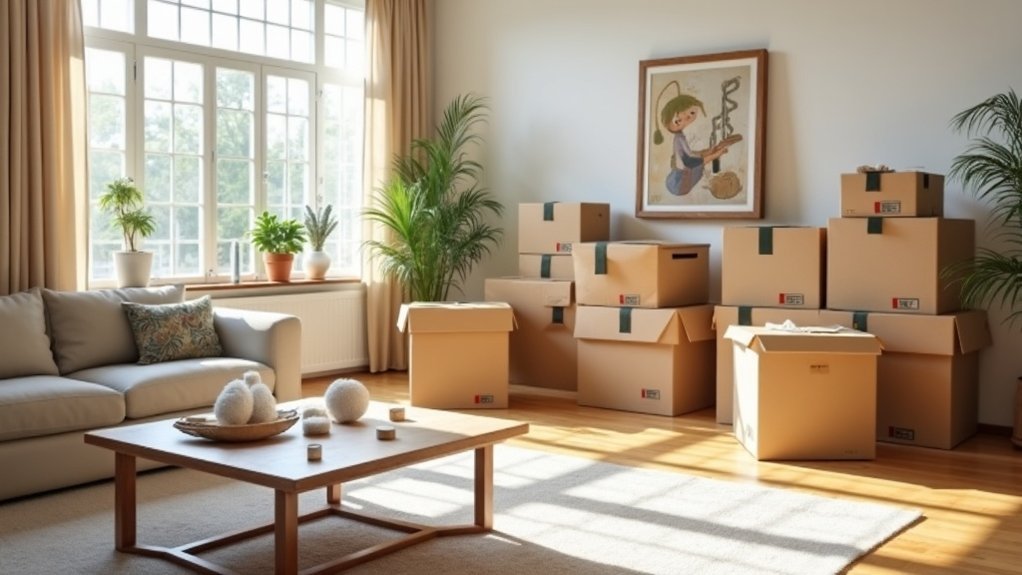
Because efficient packing can make or break your moving experience, understanding indispensable packing and labeling techniques is imperative. You’ll want to leverage clear labeling on every box, marking contents and destination room.
Prioritize critical items by packing them separately in a clearly marked “First Open” box, which includes necessities like toiletries, medications, chargers, and a change of clothes. Color-coded labels or numbered systems can help movers quickly identify where each box belongs.
Wrap fragile items carefully, using bubble wrap or towels, and guarantee each box isn’t overloaded to prevent potential damage during transit. Professional movers recommend using specialized packing techniques to ensure the safe transport of delicate belongings during relocation.
Create a Clear Path for Moving Professionals
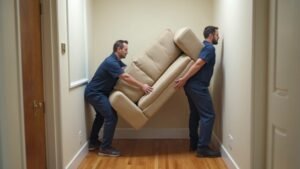
Although moving day can be chaotic, preparing a clear path for your moving professionals will drastically expedite the entire process. Remove furniture, rugs, and decorative items from hallways and entry points to create clutter-free spaces that allow movers easy access.
Ensure walkways are wide and unobstructed. Temporarily relocate potted plants, artwork, and small tables that might impede movement. If you have children or pets, consider keeping them in a separate room to prevent accidental tripping or interferences.
Clear paths mean faster, safer loading and unloading.
Protect Your Valuables and Important Documents
Since moving day can expose your most precious items to potential risks, you’ll want to take proactive steps to safeguard your cherished possessions and critical documents. Secure sensitive items like jewelry, important paperwork, and family heirlooms in a separate, clearly marked box that you’ll personally transport.
Organize critical papers such as passports, birth certificates, and financial records in a waterproof, portable folder. Keep these items with you during the move, ensuring they don’t get mixed with other packed belongings. This approach provides peace of mind and protects your most esteemed assets.
Frequently Asked Questions
Do Movers Expect a Tip for Their Service?
You’ll want to tip movers 10-20% based on job complexity and service quality. Tipping isn’t mandatory, but it’s a gesture of appreciation for hard work and professionalism.
How Long Does a Typical Home Move Take?
Your packing essentials and home size determine the moving timeline, but most residential moves take 4-8 hours for local relocations, with long-distance moves spanning 1-3 full days of transportation.
What Items Should I Personally Transport Instead?
You’ll want to personally transport important documents, birth certificates, passports, and irreplaceable family heirlooms. Handle fragile precious items like jewelry, expensive electronics, and sentimental items with extra care during your move.
Can Movers Help Reassemble Furniture at My New Home?
You’ll want to pre-arrange reassembly assistance with your moving company, as many offer furniture assembly options to help you quickly settle into your new home and feel comfortable.
What Happens if Something Gets Damaged During Moving?
If something’s damaged, you’ll want to document insurance coverage immediately and carefully inspect all items upon delivery. Your moving company should help resolve any claims promptly and fairly.