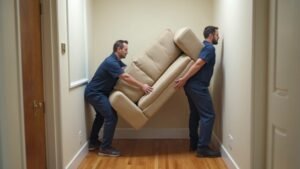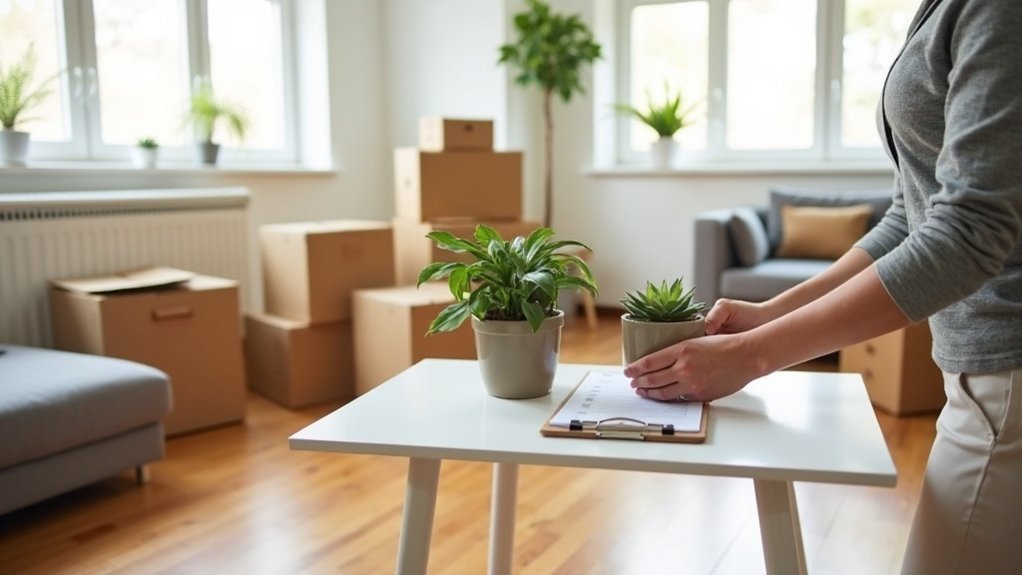
After movers leave, you’ll want to quickly inspect your belongings for any damage, document issues with clear photos, and verify your inventory. Update your address with essential services like banks and the post office. Activate utilities, prioritize unpacking essential rooms, and test safety systems like smoke alarms and security cameras. Your new home’s change is just beginning—keep exploring the details ahead.
Key Takeaways
- Thoroughly inspect all transported items for potential damage, taking detailed photographs and documenting any issues for potential insurance claims.
- Contact essential service providers to update your address and transfer or activate utilities like electricity, water, internet, and gas.
- Prioritize unpacking critical rooms such as bedrooms and kitchen, systematically organizing items and creating functional living spaces.
- Verify home safety systems by testing smoke alarms, checking security cameras, and ensuring carbon monoxide detectors are operational.
- Update personal identification documents and notify important contacts like banks, employers, and healthcare providers about your new address.
Inspect and Document Moving Damage Immediately
Although moving can be overwhelming, it’s essential to carefully inspect your belongings for any damage as soon as you arrive at your new home. Start by checking appliance function and ensuring each item operates correctly. Open refrigerators, turn on stoves, and test electronics immediately. Licensed movers in Syracuse understand the importance of careful handling and can provide guidance on post-move inspections.
Next, verify inventory completion by comparing delivered items against your original list. Carefully examine furniture, boxes, and fragile items for scratches, dents, or breakage. Take clear, well-lit photos of any damages you discover. Document everything thoroughly, as this evidence will be pivotal if you need to file a claim with your moving company.
Update Your Address With Essential Services
After painstakingly documenting any moving damages, you’ll want to promptly update your address with key services to guarantee a seamless relocation into your new home. Start by registering mail forwarding through the postal service to ascertain you don’t miss critical communications. Update your identification documents, including driver’s license, voter registration, and passport. Contact your bank, credit card companies, and insurance providers to modify your address. Don’t forget to inform your employer, healthcare providers, and subscription services. For comprehensive moving assistance in the Syracuse area, local moving experts can provide valuable guidance throughout your relocation process.
Set Up and Connect Critical Utilities
Setting up utilities is a critical first step in making your new house feel like home. Contact local providers to activate electricity, water, gas, internet, and cable services before moving in. You’ll want to test electrical connections and inspect plumbing fixtures to verify everything works properly.
Schedule installations promptly, and keep documentation of service start dates. Don’t forget to transfer or set up trash and recycling services. Having these essentials connected quickly will help you settle in and create a comfortable, functional living space that truly feels like yours.
Unpack and Organize Strategically
Because unpacking can feel overwhelming, prioritize essential rooms and items to make your new space functional quickly. Start with bedrooms and kitchen, ensuring you’ve got a comfortable sleeping area and the ability to prepare meals.
Label boxes clearly before moving, making future organization easier. Unpack room by room, creating designated spaces for different categories. Store unused items in labeled storage containers or consider temporary off-site storage. Break down cardboard boxes as you go to manage clutter and create a sense of progress in your new home.
Check Home Safety and Security Systems
Once you settle into your new home, prioritize checking and testing all home safety and security systems to safeguard your family’s protection. Start by testing smoke alarms in every room, ensuring batteries are fresh and devices function correctly.
Walk through each area and inspect security cameras, verifying their positioning and connectivity. Check carbon monoxide detectors, window locks, and door sensors. Review your home’s electrical system, confirming circuit breakers are labeled and accessible.
Don’t forget to program emergency contact numbers into your security system and familiarize yourself with its operation. Your diligence creates a secure foundation for your new living space.
Explore and Familiarize Yourself With the New Neighborhood
Although moving can feel overwhelming, taking time to investigate your new neighborhood will help you quickly feel at home. Start by walking or driving around to explore local amenities like grocery stores, parks, coffee shops, and restaurants.
Check out community centers, libraries, and local businesses to identify community resources. Introduce yourself to neighbors and ask about favorite local spots. Seek out neighborhood groups on social media or community boards to connect with locals. Getting familiar with your surroundings will convert an unfamiliar place into a welcoming new home.
Create a Home Maintenance and Settling-In Plan
After settling into your new home, developing an all-inclusive maintenance and settling-in plan will help you traverse the shift effortlessly. Start by establishing a cleaning schedule that fits your lifestyle, targeting different areas of your home weekly.
Incorporate decluttering habits that prevent mess accumulation, like dedicating 10-15 minutes daily to organizing spaces. Prioritize high-traffic areas first, then gradually move to less-used rooms.
Create a system for household tasks, assign responsibilities if you’re living with others, and set realistic expectations. Your plan should be flexible, adjustable, and designed to make your new space feel truly like home.
Frequently Asked Questions
How Long Does It Typically Take to Fully Unpack and Settle In?
You’ll typically need 1-2 weeks to fully unpack and settle in. Organize belongings strategically and establish a daily routine to help you feel at home faster.
What Should I Do if Movers Damaged Items During the Move?
Immediately inspect your moving inventory and document any damage. File damage claims with the moving company within their specified timeframe, providing clear photos and a detailed description of the affected items.
Can I Claim Insurance for Lost or Broken Belongings After Moving?
You can file a claim by first thoroughly documenting and evaluating damaged items, then contacting your moving company’s insurance provider within their specified timeframe to initiate the compensation process.
How Quickly Should I Update My Address With Different Services?
You’ll want to notify utility companies within 7-10 days and contact your insurance provider promptly. Update your address across essential services to guarantee a seamless migration and uphold your sense of home.
What Are the Most Important First Steps After Moving Into a New Home?
Change your utility services, set up home security, and deep clean your new space. Unpack essentials, meet neighbors, and make your home feel welcoming. You’re starting an exciting new chapter!